
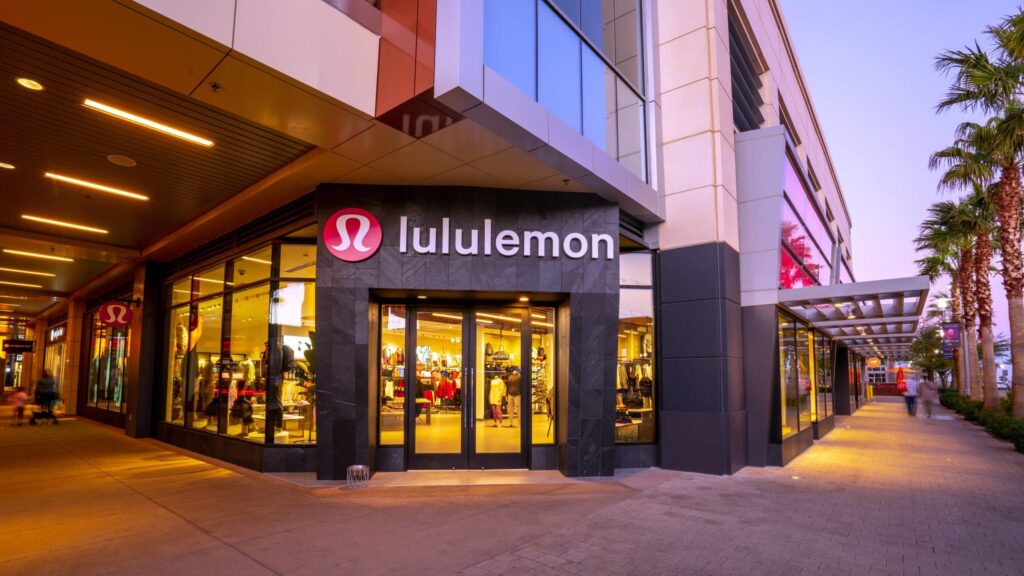

Lululemon has finally planted its flag on Hungarian soil, opening a flagship store in the heart of Budapest and turning the capital into a new epicentre for premium active‑wear. The move is more than a retail footnote – it is a clear signal that the country’s once‑narrowed post‑communist market is now sprinting toward a health‑obsessed, high‑spending consumer class.
The brand’s 2025 expansion briefing revealed that Hungarian per‑capita spend on premium active‑wear and wellness services jumped 12 % year‑on‑year in 2024‑25, dwarfing the EU average growth of 7 %. That double‑digit surge, driven by a willingness to shell out for quality and sustainability, gave Lululemon the statistical confidence to break ground where few Western lifestyle brands have ventured before.
A sharp rebound in consumer confidence underpinned the decision. The confidence index climbed from 71 to 78 in Q3 2025 as unemployment fell to 5.2 %, and the 25‑44 age cohort now accounts for 38 % of total retail spend in the sector. This demographic, eager for fitness and mental‑wellness solutions, represents the exact audience Lululemon’s community‑first model is built to attract.
Budapest’s urban fabric is also reshaping to accommodate the brand’s ethos. Foot‑traffic data show a 15 % rise in premium‑mall visitors since 2023, while the city’s new “Wellness‑District” plan promises a cluster of boutique gyms, yoga studios and health‑food concepts. In‑store dwell time averages 18 minutes for locations that host community events, a figure that aligns perfectly with Lululemon’s strategy of turning retail space into a social hub.
The entry was not a solo venture. Lululemon partnered with a seasoned Hungarian retail operator that already runs three high‑end sports‑lifestyle concepts, instantly tapping into a loyal customer base of 2.3 million and a proven supply‑chain network. The franchise model reduces exposure to regulatory and cultural pitfalls while accelerating market penetration – a tactic now echoed by other foreign entrants seeking a smoother European foothold.
Unlike source>Nike and Adidas, which have long relied on directly owned flagship stores and a product‑centric expansion narrative, Lululemon’s approach is niche‑focused and experiential. Zara and H&M, by contrast, justify their Hungarian roll‑outs on modest apparel sales growth and price‑sensitivity, targeting a different consumer tier altogether. Even tech giants such as Apple and Samsung cite smartphone penetration and e‑commerce spikes, not the burgeoning premium‑wellness appetite that Lululemon is capitalising on.
The Hungarian story points to a broader shift: premium, health‑oriented consumption is outpacing mass‑market apparel, with Budapest alone responsible for over 55 % of the country’s high‑end active‑wear sales. As foot‑traffic analyses confirm, shoppers now reward brands that deliver experiences as much as products. If the flagship proves successful, a regional rollout to emerging pockets in Szeged and Debrecen appears inevitable, and the franchise‑based entry model will likely become the blueprint for other Western lifestyle labels eyeing Central‑Eastern Europe.
Image Source: summerlin.com