
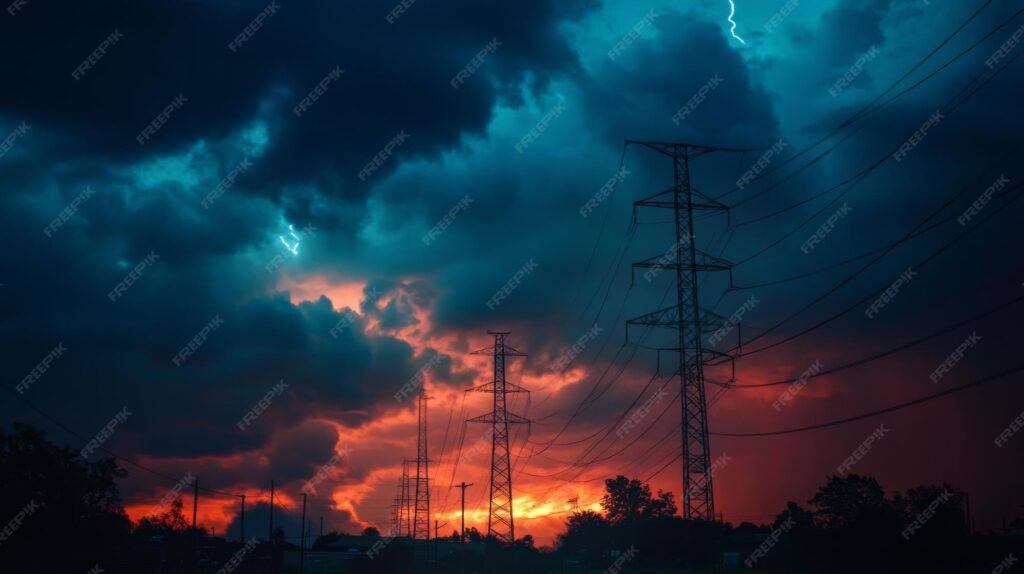

Kazakhstan is staring down a December storm of unprecedented ferocity – wind gusts topping 30 m s⁻¹ have swept across the steppe and into the mountains, prompting the Ministry of Emergency Situations to fire up national contingency protocols and warn of mass evacuations and prolonged power cuts.
Yet, as the cyclone barrels toward the country, the most glaring omission is any hint of the financial hit it may inflict. The three main outlets that have covered the event – TengriNews, Caliber and a government socio‑economic briefing – have all focused on the meteorology, leaving investors, insurers and ordinary citizens without a single dollar or tenge figure to gauge the looming damage. Without a baseline, risk‑based budgeting, insurance pricing and international aid coordination are all operating in the dark.
Almaty’s technological edge lies in its Automated Early‑Warning System, originally built for seismic tremors but now repurposed for any rapid‑onset hazard. The network of 28 fully operational stations processes data in just two to three seconds and, when three sensors trigger, flashes alerts through a cell‑broadcast platform that reaches more than 60 000 base‑station sectors – effectively covering 90‑97 % of mobile users within a minute. Emergency officials stress that this rapid, near‑universal reach could be the decisive factor in preventing casualties if evacuation orders are issued promptly.
The promise of swift alerts, however, is undercut by a stark absence of hard data on the ground. No publicly available inventory details how many shelters are ready, how many beds they contain, or where they are sited. Likewise, the regional power‑outage response plans remain a mystery: there are no disclosed capacities for backup generators, fuel reserves or micro‑grid storage in either Almaty or the far‑flung Aktobe region. The lack of documented large‑scale drill outcomes – no recorded evacuation simulations, no measured restoration times – leaves a critical blind spot in assessing whether the systems can move from warning to action.
In conversations with senior emergency officers, the consensus is clear: the AEWS provides a solid communications backbone, but it must be coupled with an integrated evacuation management platform that can assign people to shelters, route traffic and coordinate utility crews in real time. “We can tell the population what’s coming within a minute,” one official noted, “but without a clear picture of capacity and resources, the warning is only half the solution.”
A risk‑zone map released by the Ministry paints a sobering picture: the northern steppe, the central plains and the southern mountainous corridor are all flagged for severe wind and precipitation exposure, with Almaty and Aktobe sitting squarely in the highest‑risk bands. The visual underscores how the storm’s reach will test both densely populated urban centres and remote agricultural districts alike.
A sidebar on historical storm impacts reminds readers that neighbouring Russia’s 2010 Siberian cyclone and China’s 2022 coastal super‑storm each inflicted billions of dollars in damage, crippled power networks for weeks and forced mass relocations. Those precedents illustrate the scale of disruption Kazakhstan could face if its preparedness gaps remain unfilled.
The storm has laid bare a paradox: cutting‑edge alert technology coexists with opaque logistics and missing loss forecasts. Transparency on projected economic damage, public shelter inventories and backup‑power capacities, coupled with regular, publicly reported drill exercises, is essential if Kazakhstan is to move from a warning‑only stance to genuine resilience. Until then, the country’s ability to weather this historic December tempest – and any future climate‑driven extremes – remains precariously untested.
Image Source: www.freepik.com