
The war in Ukraine is spilling over into Estonia’s streets, not in shells or refugees but in sleepless nights and frantic pharmacy visits. Within two years of the invasion, the country’s mental‑health system is grappling with a measurable surge in anxiety, acute stress and a wave of disinformation that keeps the population on edge.
Estonian psychiatric outpatient registers show a 4 percent rise in mental‑health and behavioural‑disorder diagnoses in 2024 – more than 102 000 cases, adding roughly 4 400 new patients to an already strained service. The climb is most pronounced among the young: children under 15 saw a 14 percent jump, and one in ten psychiatric patients that year was a minor, two‑thirds of them boys. First‑time registrations swelled by 12 percent, with anxiety disorders, acute stress reactions and adjustment disorders topping the list, followed closely by mood disorders. These figures betray a population absorbing the trauma unfolding just beyond its borders.
Prescription data reinforce the picture of a nation under pressure. Roughly one in ten Estonians now receives at least one prescription for sedatives or sleeping pills annually, and more than 7 000 people are classified as long‑term or high‑dose users. The shift to digital‑only prescriptions is stark – only four paper scripts for sedatives were recorded in 2023, while thousands of electronic orders flooded the system. Estonia’s consumption of hypnotics and tranquillizers already outstripped its Baltic neighbours, and the pandemic‑era trend is accelerating rather than emerging anew.
Traditional media have kept the war front of mind, flooding headlines with stories of military mobilisation, border fortifications and NATO drills. This relentless security focus creates a climate where fear feels constant, priming the public for the next alarm bell. Meanwhile, Russian influence operations have staged public‑space propaganda concerts on the Narva banks, broadcast “Western decline” narratives, and maintained a modest but persistent viewership on banned Russian‑language TV channels, seeding distrust and anxiety.
The digital battlefield is even more potent. A Kremlin‑funded Telegram network, bolstered by €109 000 from the Moscow‑based Pravfond, runs five channels that have already been shared more than 1.3 million times. Content from these feeds is repackaged for YouTube, Rutube and, until recently, TikTok, where fabricated quotes from former Prime Minister Kaja Kallas and false stories about Estonian troops being sent to Ukraine have gone viral. The echo‑chamber effect drives a surge in anxiety‑laden language online, feeding directly into the rising demand for psychotropic medication and clinical appointments.
Estonian health authorities have begun to respond, albeit cautiously. Regulators are moving to ban paper prescriptions for sedatives and to enforce a digital‑only regime for all narcotic and psychotropic drugs, aiming to tighten control and improve monitoring. The Ministry of Social Affairs has pledged to expand psychiatric outpatient capacity and to launch a nationwide awareness campaign on stress management, while urging the Health Board to publish monthly primary‑care visit statistics for anxiety and related complaints – data that have so far been absent from public reports. Experts also call for a coordinated “information‑health” task force to counter disinformation that fuels psychosomatic distress.
The convergence of rising clinical diagnoses, a booming market for sedatives and a relentless flow of war‑related propaganda underscores a hidden front line: the collective psyche of Estonia. Addressing it will require not only bolstering mental‑health services and tightening prescription oversight, but also confronting the engineered narratives that keep fear alive. Only by tackling both the medical and informational dimensions can Estonia hope to calm its streets and protect the well‑being of its citizens.
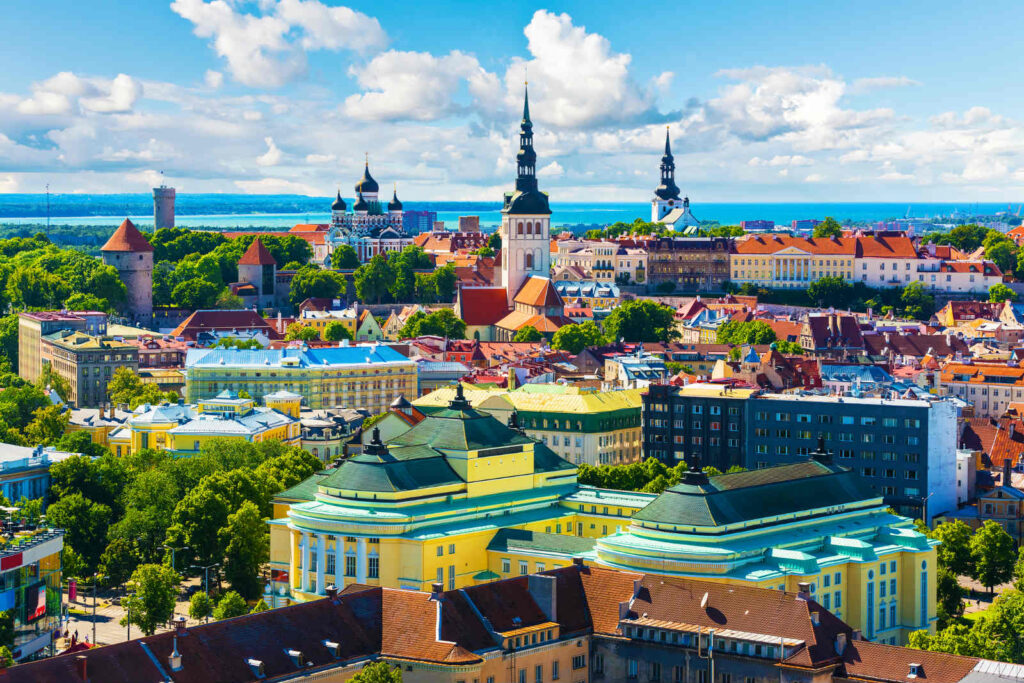
Image Source: www.iexplore.com