

The EU is on the brink of turning €210 billion of frozen Russian cash into a lifeline for Kyiv – and, if the political maths works, a fresh boost for the frontier states that sit on Europe’s eastern edge. Polish premier Donald Tusk has already billed the Brussels summit as a “breakthrough”, but the deal rests on a narrow legal reading and a high‑stakes vote among the Union’s most wary members.
At the heart of the proposal lies a legal sleight of hand. International law bars outright seizure of sovereign assets, yet the Commission argues that the EU may tap the interest generated by the frozen pool without touching the principal – a figure it estimates at up to €165 billion once the €45 billion G7‑backed loan to Ukraine is repaid. The mechanism would channel the cash into zero‑coupon bonds issued by the European Commission; the interest earned would then finance a multi‑tranche “Reparations Loan” to Kyiv, with an initial €90 billion slated for disbursement over the next two years. The loan is tied to future Russian reparations, meaning it is effectively non‑reimbursable until Moscow pays up.
Politically, the scheme is a tinderbox. Tusk’s optimism masks deep divisions: Belgium, home to Euroclear’s €185 billion of the frozen assets, remains wary of any move that could provoke Russian retaliation, and insists on guarantees for the most exposed states. The framework requires a qualified‑majority vote, meaning any dissent from a handful of countries could stall the whole operation. While the EU’s official line stresses a Ukraine‑only focus, a “regional resilience” component keeps resurfacing in diplomatic chatter, though no allocation ratios have been published.
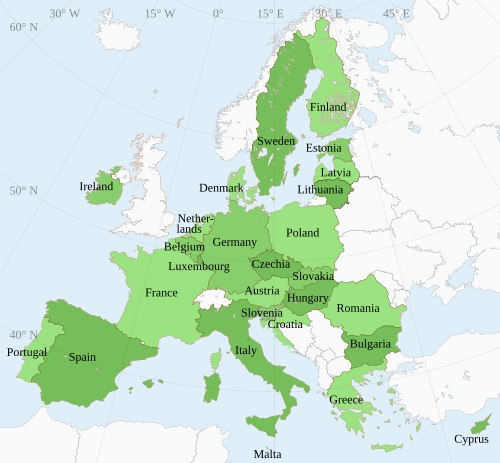
For the post‑communist neighbours – Poland, the Baltic states, Czechia, Slovakia, Hungary, Romania and Bulgaria – the stakes are enormous, even if the numbers remain vague. An infusion of even a fraction of the €165 billion could reshape fiscal balances, fund low‑interest loans or grants, and accelerate infrastructure upgrades that have long lagged behind Western Europe. The promise of EU‑backed financing for cross‑border electricity grids, modernised border checkpoints and advanced defence procurement would tighten the security net along the Union’s eastern flank.
Yet the absence of concrete figures means the economic windfall is still a promise, not a certainty. Analysts warn that without a defined “Regional Resilience Fund”, any benefits will hinge on subsequent negotiations and the political will of the Council. Should the qualified‑majority vote tilt in favour of a Ukraine‑centric model, the bordering states could be left watching the cash flow south while confronting the same energy and security pressures that the funds aim to alleviate.
Looking ahead, three scenarios dominate the debate. First, a consensus that carves out a sizeable regional tranche could see billions earmarked for infrastructure, defence modernisation and energy diversification, delivering a tangible lift to growth and security in the east. Second, a narrower agreement may lock the proceeds into the Ukrainian loan alone, leaving the frontier economies to fend for themselves and potentially stoking resentment toward Brussels. Third, a stalemate in the Council could delay any disbursement, preserving the status quo and inviting further Russian legal challenges.
The EU’s frozen‑asset playbook is a bold experiment in financial engineering – preserving sovereign ownership while monetising the yield for political ends. Its ultimate impact on the economies and security postures of Central and Eastern Europe will be decided in the corridors of Luxembourg and Brussels, where the balance between legal prudence, geopolitical ambition and member‑state self‑interest will be hammered out. Until the qualified‑majority vote is taken and the allocation numbers finally surface, the region watches a high‑value gamble unfold, aware that the same assets that fund Kyiv could also become the cornerstone of a more resilient eastern Europe.
Image Source: en.wikipedia.org