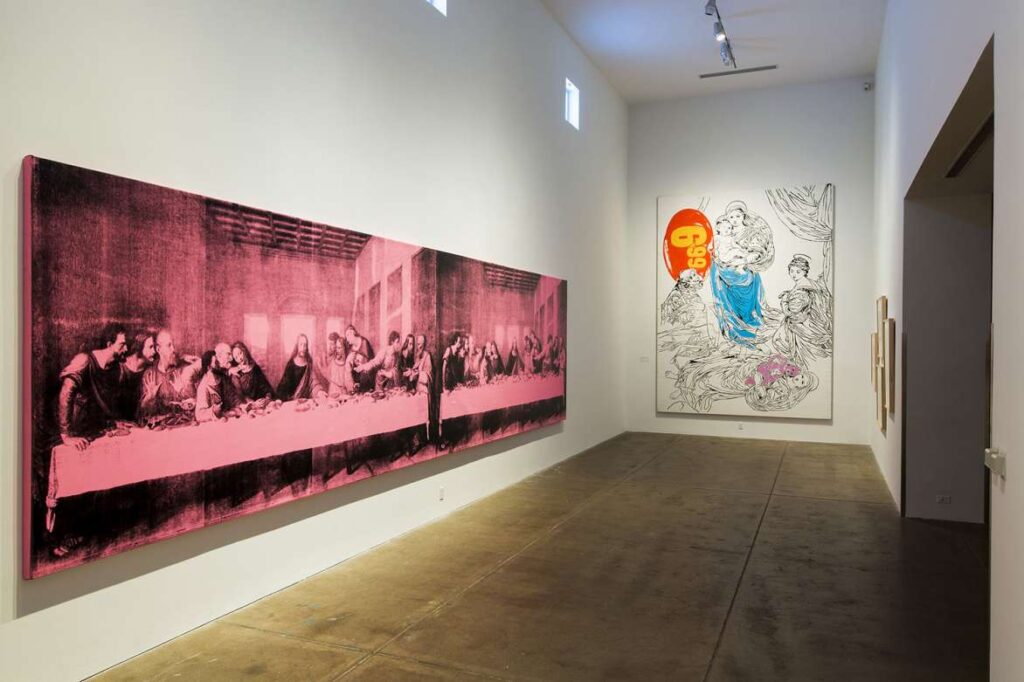

The Andy Warhol Museum, billed as Slovakia’s cultural flagship, still sits half‑built while the calendar pages turn. Promised for a 2023 launch, the project has been pushed back indefinitely, and not a single concrete reason has emerged from the flood of investigative searches that have scoured media, official releases and EU grant registers. The silence is deafening: four separate probes reported no trace of budget shortfalls, land disputes or construction setbacks, leaving the museum’s postponement shrouded in bureaucratic opacity.
What the void of detail does reveal is a cultural climate in which politics, not paperwork, dominate the narrative. Since the Robert Fico coalition took power in October 2023, the Ministry of Culture has been a revolving door of dismissals and appointments. Culture Minister Martina Šimkovičová’s purge of senior directors sparked street protests and calls for her resignation, while later staff walk‑outs at the Slovak National Gallery underscored a growing unease among cultural workers. The Warhol Museum’s limbo, though never publicly addressed, sits squarely within this environment of heightened scrutiny and ideological contention.
Funding, the other half of the story, is equally paradoxical. Slovakia draws a massive €12.6 billion from the EU cohesion‑policy pool, a figure refreshed as recently as December 2025 and earmarked for “investment in jobs and growth” across the region. Within that pot, €200 million was unfrozen in 2025 and explicitly shielded from being re‑routed from regional EU funds to local governments. Yet the domestic budget remains a black box; official documents detailing how much of the EU money is allocated to museums, theatres or heritage sites have not been published, and no line items trace the Warhol project’s financing. The result is a dissonance between a well‑publicised European cash reserve and an opaque national spending framework.
The public and professional backlash has been swift and coordinated. An advocacy report released in April 2025 by the Artistic Freedom Initiative and Open Culture! surveyed nineteen cultural professionals and identified seven alarming trends: take‑overs of funding bodies, erosion of leadership transparency, mass purges, politicisation of institutions, attacks on LGBTQ+ initiatives, rising self‑censorship and breaches of international law. These findings were slated for presentation at an international conference in Bratislava in May, signalling that the Warhol debacle is being read as part of a broader assault on artistic autonomy.
In the absence of any official explanation, even the museum’s own leadership has remained silent. No public statements from the appointed directors have surfaced, and attempts to secure comment have been met with silence. This lack of communication fuels speculation that the project may have become a casualty of the broader power struggle, rather than a victim of logistical hiccups. It also highlights a systemic problem: without transparent channels for information, cultural stakeholders are left to guess at the fate of high‑profile initiatives.
The implications stretch beyond a single building. The juxtaposition of a protected €200 million EU safeguard with a murky domestic allocation process suggests that political control, rather than transparent cultural investment, is currently the dominant priority. International bodies such as the NEMO Barometer and the European Museum Conference have warned that museums across Europe are facing increasing polarisation, urging independence and accountability. Slovakia’s trajectory, as evidenced by the Warhol museum’s indefinite stall, runs counter to those recommendations and risks inviting further scrutiny from European partners.
For the Warhol Museum to move from concrete to open doors, two conditions appear unavoidable: a clear, publicly disclosed funding pathway that links EU resources to the project, and a governance model that shields cultural institutions from partisan interference. Until those safeguards are put in place, the museum will remain a symbol of a cultural sector caught between generous European coffers and a domestic policy landscape that prioritises control over creativity.
Image Source: warholfoundation.org