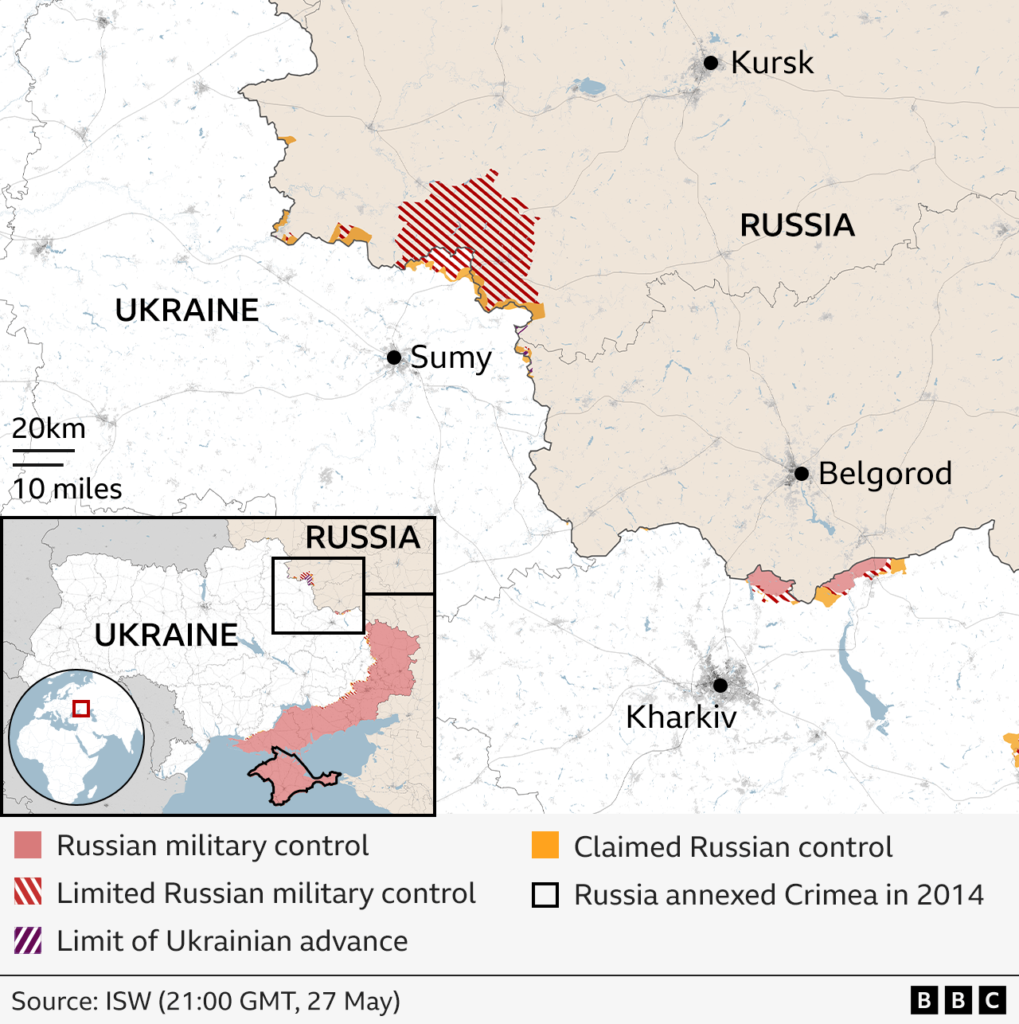

Russian troops swept through the quiet border villages of Sumy on 17 December, blasting homes, seizing more than fifty civilians – some 89‑year‑old – and leaving a trail of destruction that has plunged a whole region into chaos. The strike, part of a broader Russian escalation that has rattled Ukraine since 2014, has not only shattered the physical landscape but also exposed the limits of the country’s humanitarian response.
The shelling began in the early hours of 17 December, with an estimated fifty artillery rounds falling across the Sumy corridor. Satellite images and on‑the‑ground reports confirm that dozens of residential buildings were reduced to rubble, a local sports complex was demolished, and the power grid and water supply were severed. A follow‑up drone strike on the 18th compounded the damage, knocking out critical infrastructure and leaving villagers without electricity or clean water for days. The sheer scale of the bombardment has left the area in a state of emergency that few other parts of Ukraine have seen.
At the heart of the horror was the raid on Hrabovske, a border village that became a flashpoint when Russian troops entered on 18 December. In a swift operation, soldiers seized more than fifty civilians – predominantly elderly men and women – and transported them to Russia by 20 December. Among the abductees was an 89‑year‑old woman, underscoring the indiscriminate nature of the assault. Ukrainian authorities immediately launched investigations and called for evacuations, engaging the International Committee of the Red Cross and the Russian Commissioner for Human Rights in a tense diplomatic back‑and‑forth that has yet to secure the return of the victims.
Ukrainian forces did not sit idly by. In the days that followed, Ukrainian troops pushed the Russian column back toward the border, engaging in a brief but intense clash in Hrabovske and a subsequent skirmish in the neighbouring village of Riasne. The Joint Forces Task Force confirmed that Russian units had entered Riasne before being repelled, leaving the area temporarily clear of enemy forces. The rapid push‑back demonstrates Ukraine’s capacity to counter short‑term incursions, yet the episode also highlights the volatility of the Sumy front line and the persistent threat to civilians as the front shifts.
The assault triggered a massive displacement wave. Since June 2025, the Ministry of Development of Communities and Territories reports that almost 147 000 people have fled border areas, with 4 400 coming from Sumy alone. The bulk of these internally displaced persons (IDPs) have been rerouted to neighbouring oblasts: 92 400 to Donetsk, 35 000 to Dnipropetrovsk, 8 300 to Kharkiv, 3 700 to Kherson, and 2 800 to Zaporizhzhia. The sudden influx has stretched the capacity of host communities, forcing them to improvise shelter and support arrangements.
In the host villages of Boromlia and Nyzhnia Syrovatka, collective shelter centres have reached capacity, leaving no space for new arrivals. Families are forced to seek private housing, often in abandoned or poorly maintained homes, at their own expense. NGOs such as Save the Children and Medair are stepping in, distributing hygiene kits, bedding, and cash assistance to cover rent, food, and repair costs. Local case workers are working round the clock to locate accommodation for families with children and to coordinate repair work with partners like Rokada. The reliance on private housing has exposed displaced households to sub‑standard living conditions, with many lacking adequate heating, sanitation, or reliable power.
Coordination remains a major stumbling block. While the International Organization for Migration (IOM) and the United Nations Office for the Coordination of Humanitarian Affairs (UN OCHA) are central to the response, the IOM’s publicly available information does not outline specific programmes for Sumy residents or clear access procedures. This communication gap hampers timely assistance, forcing local NGOs to act as intermediaries between displaced families and international partners. Cash assistance programmes have helped families secure private accommodation, but the saturation of shelters and limited repair capacity mean that aid is often stretched thin and unevenly distributed.
Policy‑analysis sidebar – what must change
The Sumy crisis illustrates that protecting civilians in a grey‑zone conflict requires more than reactive military responses. First, international bodies must establish transparent, region‑specific assistance pathways that allow IDPs to access cash, shelter, and repair services without bureaucratic delays. Second, Ukraine should accelerate the restoration of essential utilities – electricity, water, and heating – in affected villages, perhaps by deploying mobile power units and temporary water treatment plants. Third, a robust information campaign is needed to keep displaced families informed about available support, using local radio, community bulletin boards, and digital platforms where possible. Finally, sustained international support – both financial and technical – must be directed at strengthening the capacity of local NGOs and host communities to manage the influx, ensuring that the humanitarian response can keep pace with the shifting front lines. Without these measures, the Sumy region will remain a flashpoint where civilian suffering and displacement continue to mount.
Image Source: www.bbc.co.uk