
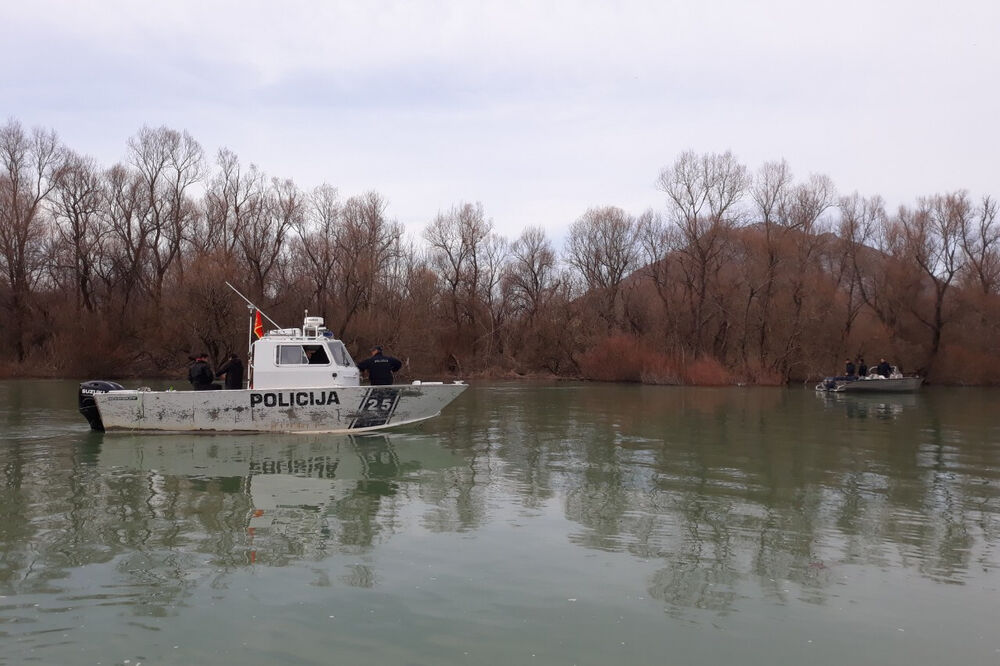

Three passengers clung to a sinking boat on Lake Skadar yesterday, their desperate shouts echoing across the rippling border between Albania and Montenegro. The capsising, which left the trio teetering on the water’s edge before rescue teams pulled them to safety, has starkly exposed the regulatory vacuum that haunts the shared lake. As tourists and locals alike watch the wreckage drift, the incident has turned a routine crossing into a flashpoint for cross‑border safety debates.
Eyewitnesses on the Albanian shore reported that the small passenger craft began to list heavily before overturning, with onlookers scrambling to throw ropes and life‑jackets into the water. A fisherman who had been returning from a morning haul described the scene as “chaotic, with the boat tilting suddenly and passengers scrambling for anything to stay afloat”. The rapid response of local rescue volunteers, who managed to pull the three survivors from the cold water, prevented a potential tragedy but could not mask the underlying gaps in enforcement.
The legal backdrop on the Albanian side remains opaque. Despite the existence of Law No 84/2015 on Navigation and Safety of Water Transport – amended in 2022 – none of the official portals, EU‑funded briefings or international legal databases provide the full text of the statute as it applies to Lake Skadar. This information vacuum means that operators, tourists and even journalists cannot verify the exact certification, crew‑qualification or passenger‑capacity limits that should govern vessels on the lake. The lack of publicly accessible documentation hampers any meaningful assessment of compliance and fuels speculation about lax oversight.
Montenegro, by contrast, is on the cusp of overhauling its inland‑water safety regime. A draft Law on Maritime Navigation Safety released for public consultation on 23 February 2025 mandates Automatic Identification System transponders for all commercially registered vessels and Voyage Data Recorders for passenger and high‑speed ships on international voyages. The draft also delineates inspection responsibilities, granting port authorities broader supervisory powers while leaving foreign‑flagged vessels to the remit of maritime safety inspectors. Although the draft has yet to become law, its equipment requirements directly address two of the most critical safety gaps highlighted by the capsising.
Cooperation between the two riparian states has been limited to broad, under‑documented initiatives. Under the EU‑funded IPA II Cross‑Border Cooperation Programme, Albania and Montenegro signed four projects on 27 January 2025, one of which – “Accessible Maritime Tourism” – allocates €390,300 to standardise safety procedures, train operators and upgrade vessel equipment on Lake Skadar. While the project’s primary focus is accessibility for disabled tourists, its ancillary safety components could help bridge the regulatory divide. However, the absence of a formally documented joint inspection schedule or shared incident‑reporting platform leaves enforcement fragmented, especially given Montenegro’s split inspection duties for foreign‑flagged boats.
The capsising underscores the urgent need for a concrete bilateral mechanism. A dedicated Lake Skadar Safety Committee, embedded within the existing cross‑border cooperation framework, could coordinate joint inspections, maintain a real‑time database of accidents and near‑misses, and harmonise certification standards. Publishing the full texts of Albania’s Law No 84/2015 (including the 2022 amendment) and Montenegro’s Law on Safety of Water Transport (Official Gazette No 71/2020, amended 2023) on official portals would provide the transparency required for such a committee to operate effectively.
If Montenegro’s draft law is adopted promptly and Albania follows suit by clarifying its statutory obligations, the two countries could establish a de‑facto regional standard for inland‑water safety. Coupled with regular press briefings and stakeholder workshops involving tour operators, local authorities and NGOs, these steps would transform yesterday’s near‑disaster into a catalyst for safer, more sustainable tourism on one of the Balkans’ most treasured natural assets.
Image Source: en.vijesti.me